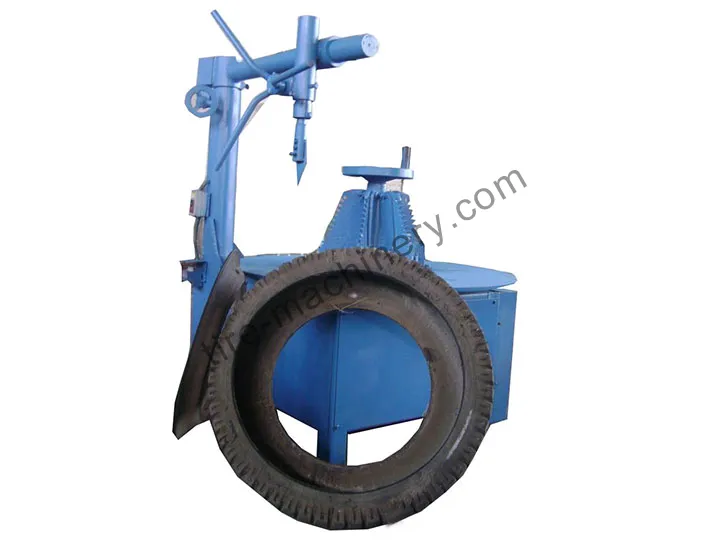
In any tire recycling operation, the cutting blades are the point of contact where the real work happens. They are also a primary operational expense. While blade wear is inevitable, the rate of that wear and the overall cost of tire sidewall cutter blades are not. Effective maintenance is the single most important factor in controlling these costs.
This guide is an extension of our product information, designed to give you a deeper understanding of the principles behind blade care. It’s not just about what to do, but why you’re doing it.
The Foundation: Daily Checks and Correct Operation
The lifespan of your blades is determined long before they need sharpening. It begins with daily operational habits.
- Daily Inspection: Before starting operations, a quick visual inspection can prevent catastrophic failure. Look for signs of chipped or broken tire sidewall cutter blades. A small chip can quickly propagate into a major fracture under load, leading to costly damage beyond the blade itself.
- Cleaning: After each shift, ensure the cutting area is free of debris. Small rubber fragments and loose steel wires can build up, increasing friction and heat, which accelerates the dulling process. A clean machine is a more efficient machine.
- Correct Operation: Overloading the machine or feeding tires improperly is a primary cause of premature wear. Ensure operators are trained to feed tires smoothly and within the machine’s specified capacity. Answering the question “why my tire cutter blades wear out fast?” often starts with reviewing operational procedures.
Periodic Maintenance: The Art of Sharpening and Adjustment
Resharpening is the core of extending a blade’s useful life. The goal is to restore a sharp cutting edge by removing the absolute minimum amount of material.
When and How to Sharpen Tire Cutter Blades
There is no fixed schedule; the need for sharpening is indicated by performance. Signs include a noticeable increase in motor load, slower cutting times, or a rougher, less clean cut on the tire sidewall.
- The Principle: The objective is to grind the blade back to its original factory angle. Using the wrong angle will result in a weak edge that dulls quickly or a blunt edge that requires excessive force to cut.
- Professional Service: While minor touch-ups can sometimes be done in-house, we recommend professional sharpening services. They have the proper equipment to ensure a precise angle and a balanced blade, which is critical for smooth operation. This answers the question, “can you resharpen tire ring cutter knives?"—yes, and it’s highly recommended to do it correctly.
Proper tire sidewall cutter blade adjustment after re-installation is equally critical. Incorrect clearance between blades can lead to uneven cutting or direct metal-on-metal contact, causing immediate damage.
Troubleshooting Common Blade Issues
Understanding what to look for can help you solve problems before they escalate. This is a crucial part of proactive tire cutter blade maintenance.
| Problem | Likely Cause | Solution |
|---|---|---|
| Dull Tire Cutter Blades | Normal wear; cutting dirty/gritty tires; overheating. | Resharpen the blades; ensure tires are reasonably clean before feeding. |
| Uneven Cutting | Improper blade clearance; one blade more worn than others. | Perform a blade adjustment; inspect all blades and replace/sharpen as a set. |
| Chipped or Broken Blade | Hitting foreign metal objects (e.g., rims); operator error. | Immediately stop the machine and replace the blade. Inspect other components for damage. |
The Bigger Picture: How the Entire Line Affects Blade Life
The performance and longevity of your cutter blades are also influenced by the entire system they operate within. A well-designed tire recycling line ensures a steady, optimized flow of material, preventing the sudden shocks and overloads that can damage blades.
Effective maintenance is an investment, not just a cost. By implementing these practices, you move from simply replacing parts to actively managing the total cost of ownership, ensuring your equipment remains a profitable asset for years to come. For genuine replacement parts or technical support, please contact our service department.